
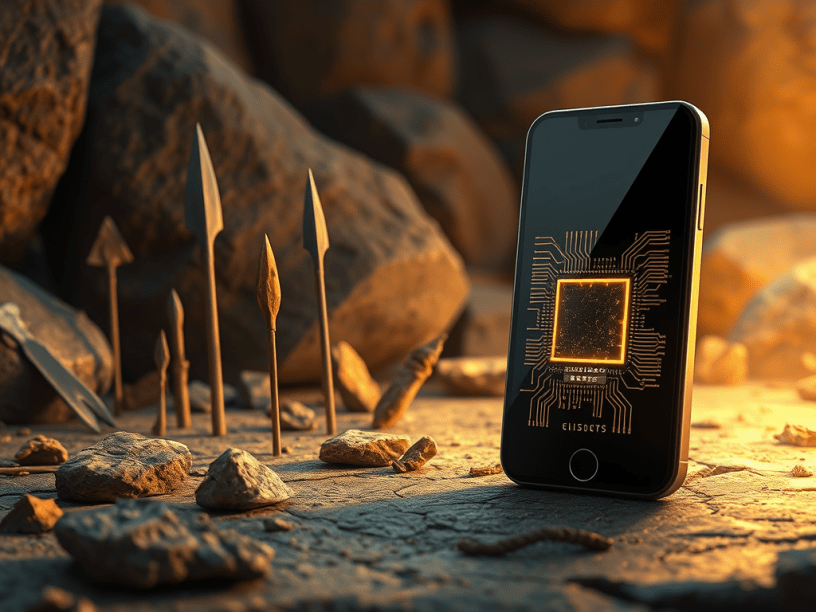
Early hunters used it to for spear heads. You are using it to make the augmented reality of this magazine come to life. Throughout history, silicon has been an essential element in the latest human advancement from the crudest hunting tool of the stone age to today’s sophisticated electronic device.
Silicon (Si) may be number 14 on the periodic table of elements but it is number two when it comes to abundance on our planet. About one quarter of the earth’s crust is made up of silicon.
While it is not completely clear what Silicon provides to living cells it is clear that it is needed. Plant life will not grow where there is no silicon in the earth. It has been suggested that it is used it to strengthen the walls of their cells as well as provide resistance to disease.
Similarly humans may use the element to strengthen connective tissues, bones and joints and reinforce nails, hair and skin. The human body contains seven grams of silicon in various tissues and body fluids so it must be there for a reason!
Silicon can usually be found bonded with a pair of oxygen molecules as silicon dioxide which is also known as silica. Quartz, made up of non-crystallized silica, is the most common component of beach sand.
Stone age humans produced some of mankind’s earliest tools with sharp flints made from silica. These included arrows and spears for hunting and scrapers and picks for working with wood.
The Latin word ‘silex’, from which silicon gets its name, means flint or hard stone.
Silica also forms the cell walls of diatoms, a type of algae found in fresh and saltwater all over the world. When these remarkably shaped creatures die their cell walls disintegrate into a chalky substance we can use in products like toothpaste and kitty litter.
What makes silicon so useful to today’s technology is that it is neither metal nor non-metal. As a metalloid, silicon has properties of both. It looks metallic but does not conduct electricity perfectly. It also doesn’t insulate against it. It is what is called a semiconductor, meaning its conductivity can be altered by adding impurities to it. This allows the flow of electricity to be controlled whether it be by amplifying it or switching it on and off.
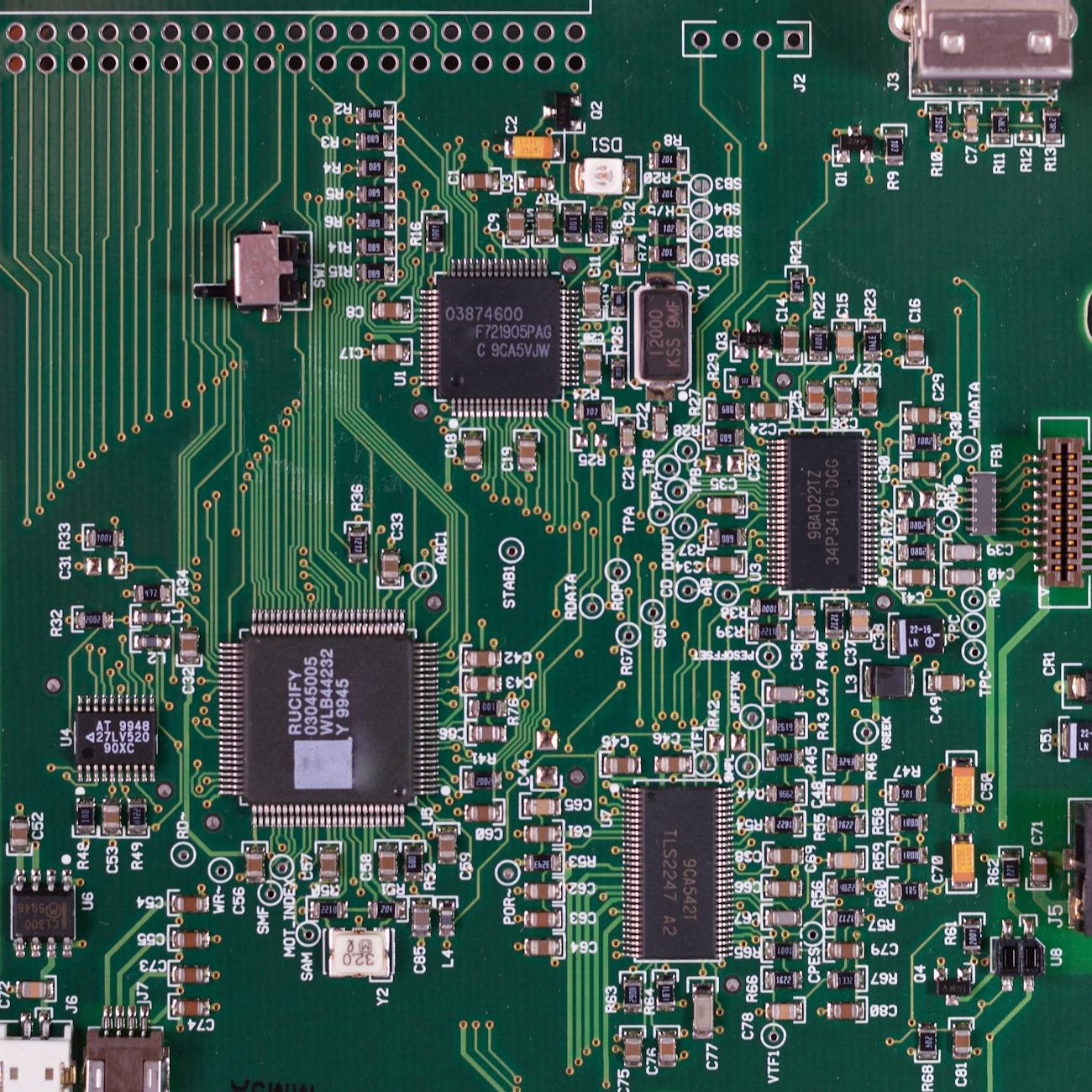
Every microchip in every phone, tablet, laptop and computer on the planet is basically a set of electronic circuits placed on a small flat piece of silicon.
Silicon Valley in northern California was named because of the large number of silicon chip makers in the region.
We come in peace: A silicon disc about the size of a silver dollar was left on the moon by Apollo 11 astronauts. Inscribed on it are 73 microscopic messages, each from a different country, wishing peace and goodwill.
When silicon is combined with oxygen, carbon and hydrogen it can become silicone, a popular heat-resistant polymer used in medical technology and kitchen tools like oven mitts and baking sheets.
 Sadie Science